
Compare vajra and dorje forms by shape, finish and the measurements available on each product page.
Start with the five-prong design or the nine-prong design, then browse the collection for other forms.
-
Four-Armed Seated Figure, Brass-Tone Finish
Vendor:LhasaVibeRegular price $64.44 USDRegular price -
Dragon Phurba Vajra Tool, Tibetan-Style Altar Display
Vendor:LhasaVibeRegular price $64.57 USDRegular price -
Vajra Dorje Pendant, Tibetan-Style Cross Charm
Vendor:LhasaVibeRegular price $59.89 USDRegular price -
Turquoise-Color Vajra Dorje Pendant, Tibetan-Style Charm
Vendor:LhasaVibeRegular price $86.23 USDRegular price -
Cloud Back Dorje Vajra, Tibetan-Style Shrine Display
Vendor:LhasaVibeRegular price $64.57 USDRegular price -
Brass-Tone Vajra Dorje Pendant, Tibetan-Style Charm
Vendor:LhasaVibeRegular price $64.44 USDRegular price -
Five-Pronged Vajra Pendant, Brass Tibetan-Style Charm
Vendor:LhasaVibeRegular price $72.34 USDRegular price -
Nine-Pronged Vajra Pendant, Aged Metal Tibetan Charm
Vendor:LhasaVibeRegular price $72.95 USDRegular price -
Brass-Tone Bell and Vajra Set, Altar Pair
Vendor:LhasaVibeRegular price $98.72 USDRegular price -
Tibetan-Style Dorje Vajra Tool, Altar Scepter
Vendor:LhasaVibeRegular price $88.79 USDRegular price -
Double-Ended Open-Prong Vajra-Form Object
Vendor:LhasaVibeRegular price $64.57 USDRegular price -
Vajra Dorje, Tibetan-Style Metal Display Object
Vendor:LhasaVibeRegular price $64.57 USDRegular price


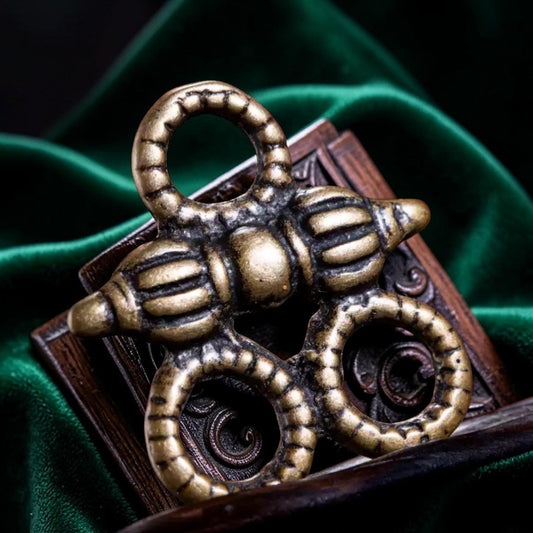


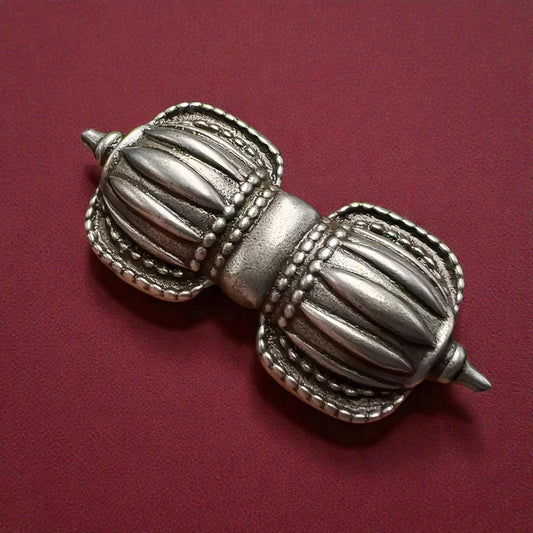


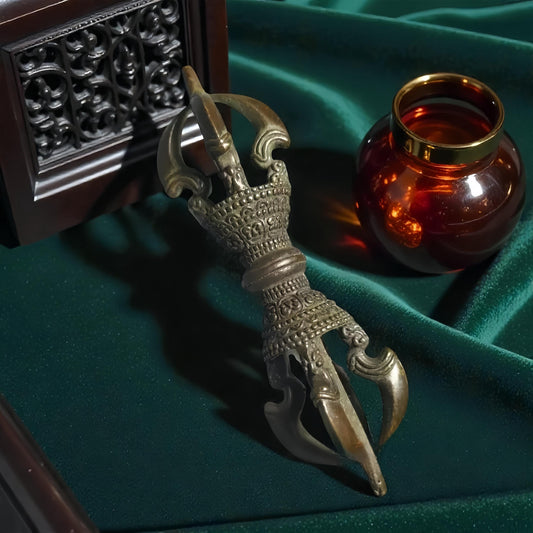


The vajra — called dorje in Tibetan — is the ritual object most often paired with the bell in Tibetan Buddhist practice. This collection gathers the vajra forms we carry: five-prong and nine-prong dorje, crossed double vajra, and vajra-shaped pendants, in copper, brass and cold-iron tones.
What the form tells you: a vajra is built around a central grip with a pronged head at each end. Five-prong vajra have five points meeting at the centre; nine-prong have nine. The crossed double vajra places two vajra at right angles, a form often used as a decorative motif rather than a hand-held tool. Prong count and the shape of the grip are the fastest ways to tell the variants apart in a photograph.
Choosing by scale and finish: smaller vajra and vajra pendants sit close to the body and read as jewellery. Larger display vajra rest on an altar or shelf, where the prongs and the carved grip stay visible from a distance. Age-toned and dark finishes show relief in angled light, while brighter metal finishes carry stronger highlights and read further away.
What we describe and what we do not: we describe what the photographs show — form, proportion, surface and finish. We do not state materials, age or ritual suitability we have not confirmed, and we do not describe a vajra as consecrated or as producing a particular effect.
Where to go next: our guide to the vajra explains the meaning and the parts of the form, and the article on the dorje and the bell covers how the pair is used together. If you are looking for the dagger form, see the Phurba collection; for the wider category, see Ritual Tools.
Each listing in this collection records its own measurements and finish, so compare the size-reference photographs before choosing.